


One of the common faults in Mercedes-Benz M271 engines is "time gauge misalignment".
Many Mercedes-Benz owners, particularly those with the M271 engine, have likely encountered cold-start "click-click-click" noises, reduced power output, and timing fault codes. This isn't a minor issue—it's a classic example of timing misalignment in this engine. Today, we'll break down the causes, symptoms, potential risks, and solutions in plain language, hoping to help those facing this challenge.
1.What is timing-based running positioning?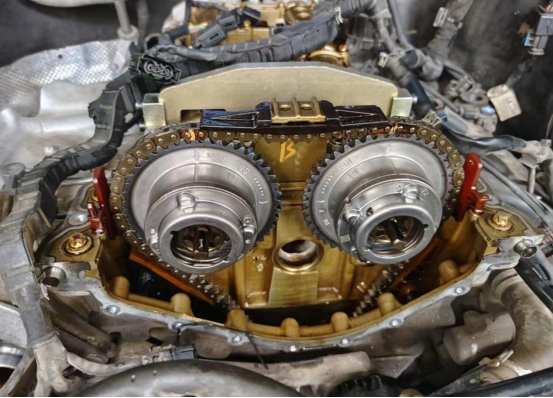
In simple terms, it refers to the disruption of the "temporal rhythm" governing valve opening and closing within the engine's internal control system. Similar to the misalignment of clock gears leading to inaccurate timekeeping, any deviation in engine timing will adversely affect overall operation. Below, I will elucidate the most critical and frequently encountered causes.
2.Why does timekeeping error occur?
Reason 1: Wear of lock pin hole position
The lock pin hole on the M271 engine phase regulator has been subjected to repeated impact and friction from the lock pin over time, resulting in abnormal wear. Prolonged exposure causes the hole to enlarge, round out, and loosen, leading to lock pin failure and inaccurate positioning, which can easily cause timing deviations.
Reason 2: Fatigue deformation of the locking pin
The lock pin is subjected to repeated impacts from engine start-stop cycles, acceleration, and deceleration daily. Over time, the metal material undergoes fatigue, bending, and deformation, leading to loosening of the lock and failure to engage properly. This ultimately results in an abnormally increased clearance during lock pin seating, failure of the locking function, and timing misalignment.
The combination of these two factors constitutes the primary cause of the M271 engine's timing position deviation.
3.How will the car perform when it enters the time-limited lane?
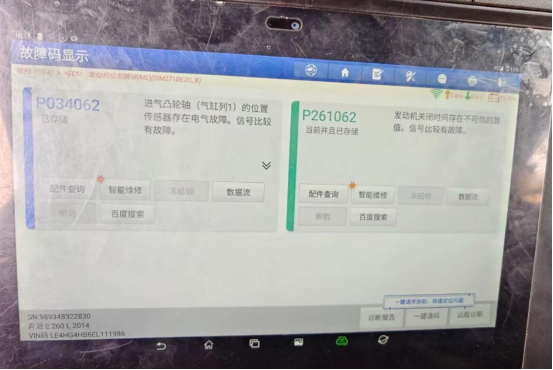
Once the lock pin and hole wear, it directly results in excessive clearance for the lock pin to engage, leading to locking failure and subsequently causing camshaft phase lag (retardation) of 5–10 degrees. The most obvious manifestation of camshaft phase lag includes: "clicking" noise during cold-start, engine displaying timing fault codes, significant power reduction, weak acceleration, and unstable idle speed.
If the valve train remains unaddressed, the timing chain will progressively loosen, potentially causing direct valve sticking—a classic timing timing belt misalignment fault. This severely compromises engine power output and operational stability, resulting in prohibitively high repair costs.
4.What is the most reliable way to repair things domestically in China now?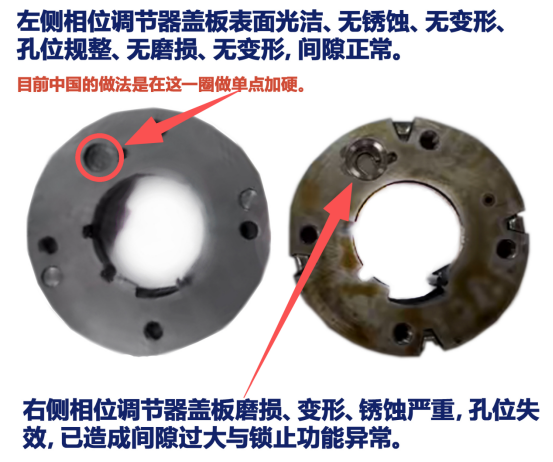
To address the common issue of M271, most manufacturers in China currently adopt the following upgrade solutions: single-point hardening hole treatment, installation of wear-resistant bushings for reinforcement, and replacement with improved assemblies.
These methods address wear issues at their root cause, offering greater durability and reduced recurrence rates compared to simply replacing with original factory parts.
5.Where is the core location of this fault?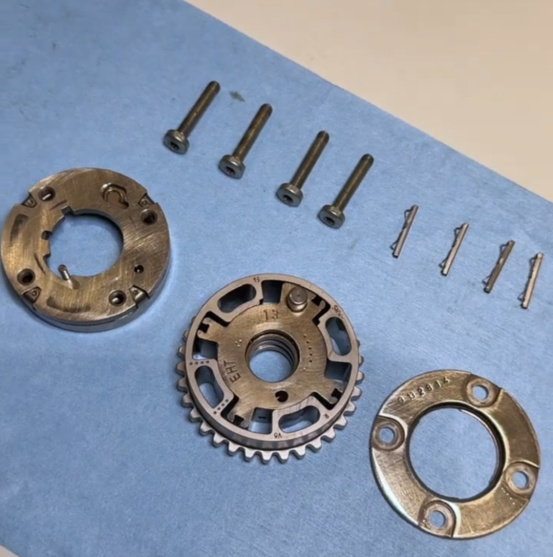
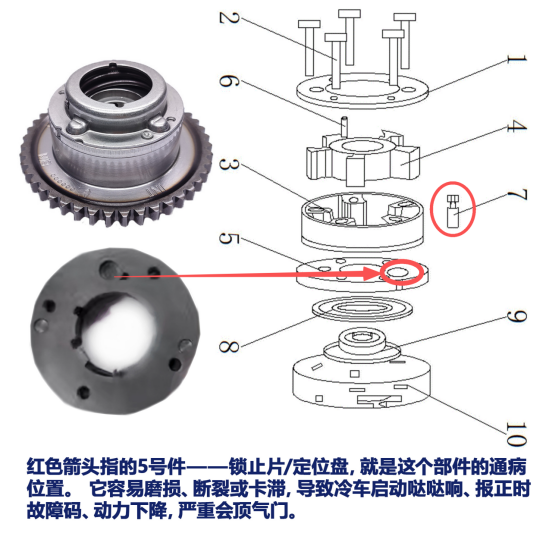
The No.5 locking plate/positioning disc in the phase regulator is the most prone to wear, fracture, and jamming, and serves as the primary culprit for timekeeping errors in chronographs. Many vehicle owners fail to recognize this component, mistakenly attributing minor noises to it and neglecting its importance, which ultimately leads to significant issues.
6. Reminder to all vehicle owners
The timing timing deviation of the M271 engine is not an accidental fault but a structural common defect resulting from prolonged use. Cold engine noise, illuminated fault lights, and reduced power output are all "alarm signals" issued by the engine system. Do not delay any intervention.
Early detection and prompt intervention with upgraded solutions not only save costs and reduce operational burdens but also prevent major engine overhauls in later stages.
We hope this article helps you steer clear of repair traps, save unnecessary expenses, and drive with greater peace of mind.